
Field work is the process of observing and collecting data about people, cultures, and natural environment s. Field work is conducted in the wild of our everyday surroundings rather than in the semi-controlled environments of a lab or classroom. This allows researchers to collect data about the dynamic places, people, and species around them. Every GCSE Geographer must do fieldwork in at least two different environments. From geographical questions to evaluation, read on for advice if you're not sure where to start.
FSC offers the opportunity to complete the fieldwork requirements at GCSE which will be rooted within specification content. A level students can complete the fieldwork requirements of 4 days of fieldwork within inspiring physical and human environments. Discover our outstanding Geography Field Trips and more.
Geography Fieldwork and Covid-19
Fieldwork Geography Gcse
Not able to bring your class to one of our wonderful centres at the moment? Our digital and outreach packages are the perfect way for your students to experience FSC’s fabulous geography fieldwork.
Find out about our virtual geography field trips, digital and outreach geography courses
Inspiring Future Geographers Through Fieldwork
FSC GCSE Geography Fieldwork can take place in these environments:
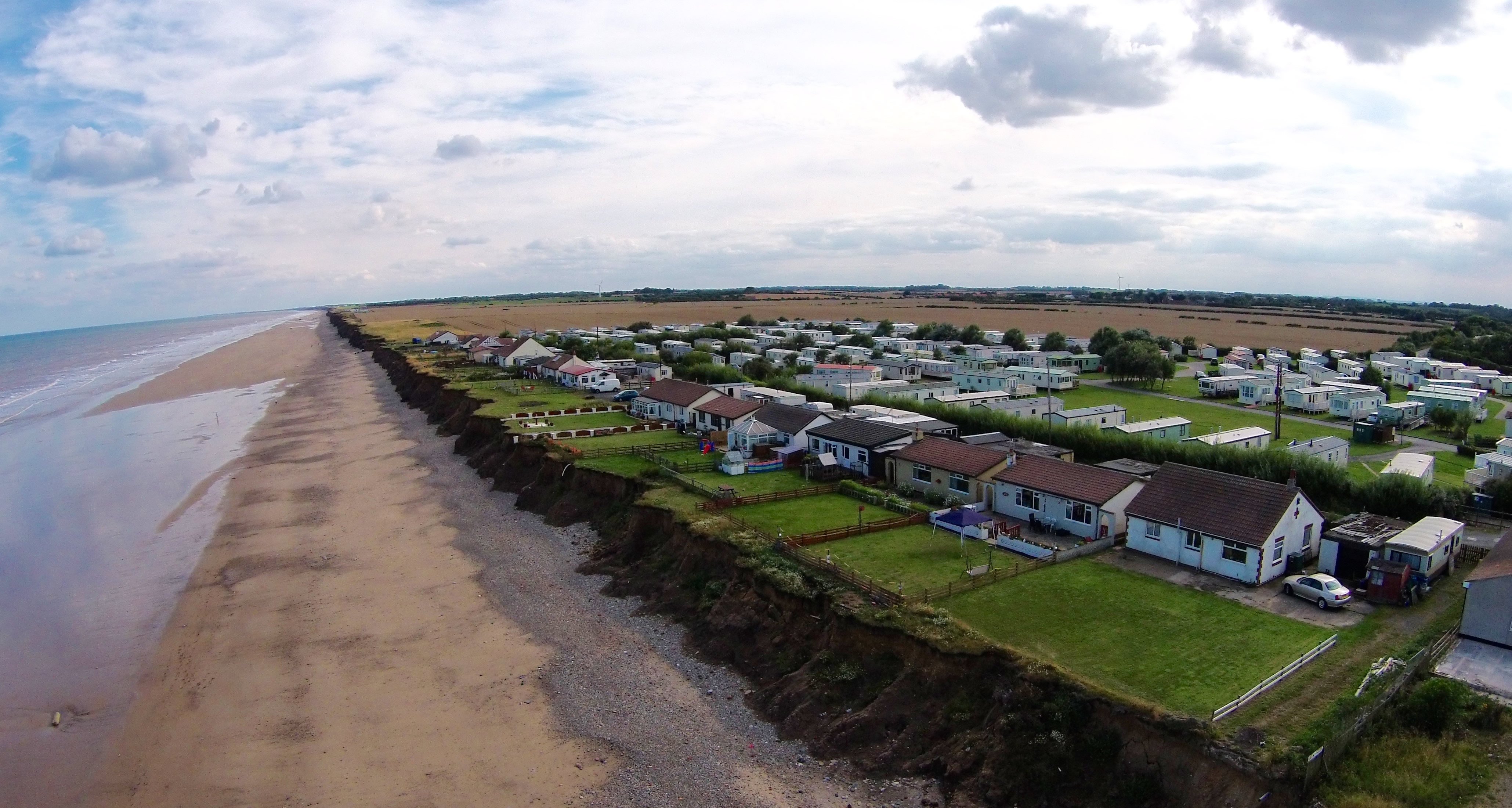
Coastal – where the land meets the sea, the UK’s coastline is over 7500 miles in length, and it’s a place that’s always changing through erosion, transportation and deposition
Rivers – constantly changing, water levels rise and fall after rain and with the seasons. Erosion, transportation and deposition can all alter the characteristics of the channel and the regime of the river
Rural – areas which have experienced dramatic changes in the last 30 years, including counter-urbanisation, changing farm practices and the decline of rural services
Urban – towns and cities have experienced dramatic changes in the last 30 years, including pressures from out of town shops, economic challenges, changing function and the decline of the high street
FSC A Level or AS Geography Fieldwork can take place in these environments:
Coastal – UK’s most dynamic environments, influenced by many physical and human forces, with dramatic consequences for the people who live there
Glaciation – although the UK’s last glaciers disappeared around 10,000 years ago, the post-glacial landscape of the UK still provide plenty of evidence for the action of estimating ice and meltwater in both the uplands and lowlands
Water & Carbon – size of stores and flows in the water and carbon cycles at a local scale, such as small drainage basin, woodland or peat bog
Place – changing socio-economic and demographic characteristics of local places, plus the cultural meanings and representations attached to different places
Investigations – at a local scale to consider place meaning and representation changing economic function and socio-demographic characteristics of places
GCSE Geography Fieldwork
An FSC GCSE fieldwork course offers the opportunity to complete the fieldwork requirements at GCSE. Fieldwork will be rooted within specification content.
Each of the two occasions of fieldwork will engage in two contrasting locations, investigatingvphysical and human environments.
FSC can provide background information to assist schools in completing the fieldwork statement.
With the move from controlled assesment to fieldwork assessed by examination at GCSE, FSC has been working on ways to ensure that a students’ geography fieldwork course is fit for purpose and ‘exam ready’.
Complete All Geography Fieldwork Requirements
Learn and Apply Fieldwork Skills
FSC’s expert field teachers will lead the teaching in real world locations to ensure students gain the transferable skills and understanding associated with the six stages of the fieldwork enquiry process. This will help them with the geography fieldwork related exam questions which are worth 15% of total marks, covering unfamiliar contexts as well as student’s own familiar fieldwork experiences.
Develop Geographical, Cartographical, Mathematical and Statistical Skills
25% of the overall GCSE qualification is based on Assessment Objective 4; Select, adapt and use a variety of skills and techniques.
Fieldwork enquiries will be rooted within the specification content, of individual awarding organisations:
AS Level Geography Fieldwork
An FSC AS Geography Fieldwork course can help to:
- Cover a choice of specification content covering physical and human geography
- Explore the role of the geographer in a rapidly changing world
- Develop GIS, statistical and geographical skills
- Meet the required 2 days of fieldwork during the field trip
AS Geography fieldwork is assessed byexamination. Fieldwork provides the perfect opportunity for quantitative andqualitative skill development worth up to 30% of total marks.
- AQA – Cycles, Systems and Changing Places
- Edexcel – Place, Landscapes, Systems and Change
- Eduquas – Changing Landscapes and Changing Places
- OCR – Landscapes and Place
A Level Geography Fieldwork
An FSC A level Geography Fieldwork courses can help to:
- Complete the fieldwork requirements of 4 days of fieldwork within inspiring physical and human environments
- Give students the opportunity to conduct an independent investigation
- Develop self-directed learning and research skills integral to the independent investigation
- Develop confidence in quantitative, qualitative and specific skills
Students will be required to complete the fieldwork necessary with the skills needed to tackle their non-examined assessment. During an FSC field trip, the geography field work course will prepare the students for their independent investigation.
Two Approaches for A Level Geography
1 Geographical Fieldwork Skills
- Prepare students for the A level Independent Investigation
- A skill based course designed to showcase a variety of fieldwork data collection methods in two contrasting environments
- Designed for students who will be collecting Independent Investigation data back in their local place, after the field course has ended
- Enable students to begin to develop the skills needed to undertake the independent Investigation
2 A level Geography (NEA): Independent Investigation
- Complete the fieldwork requirements for A level students within inspiring physical and human environments
- Ensure students are fully up to speed with all stages of the enquiry process and able to independently design their investigation to the best of their ability
Immersion – Exploration in ContrastingEnvironments
Fieldwork Geography Ks1
- Explore a rangeof equipment
- Encouragedthrough activities to read, interrogate and ask geographical questions about anenvironment
Workshops
- Choose, justifyand critique potential data presentation and analysis techniques
- Develop theirquantitative and qualitative analysis skills including the use of statisticsand coding
- Increase confidencein the role that GIS can play within their investigation
Planning
- Concept mapping and concept grids will enable students to identify areas of investigation before refining questions and creation of hypotheses / sub-questions
- Students can use their research skills and a wide range of secondary sources to independently tackle the investigation design including sampling and methodology
Awarding Organisations
Specific geography fieldwork courses have been developed for those studying A level geography for the specifications taught from September 2016 onwards. FSC has strong working relationships with awarding Organisations, we are regularly turned to in order to provide fieldwork expertise and geography school trips.