

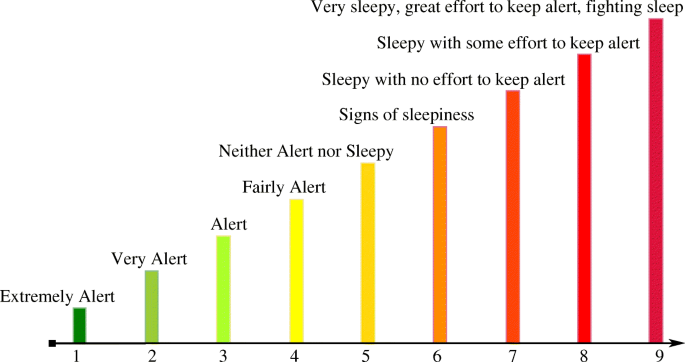
- Fatigue means a gradual loss of alertness that leads to occasional microsleeps (or 'nodding off') and then sleep. Driver fatigue can be caused by too little sleep, driving when you would normally be asleep, or remaining awake and driving for extended periods of time.
- Driver Fatigue Alarm. Driver Fatigue Alert MR688 uses the unique pupil identification technology to detect and analyze the changing characteristics of pupils. When it judges a driver in fatigue status, it will provide warning alarm to remind the driver. Driver Distraction Alarm. Anti Sleep Alarm MR688 also focuses on the distraction driving.
- Fatigue adversely affects driving performance. There is a very strong connection between fatigue and errors leading up to an accident. Drivers do not have to be falling asleep at the wheel for fatigue to impair their ability to operate a vehicle. Recognizing and controlling the effects of fatigue can prevent highway crashes and save lives.
The Liberals and Nationals Government and the National Heavy Vehicle Regulator (NHVR) are investing in new field trials to test driver fatigue monitoring technologies, which can enhance heavy vehicle safety outcomes.


Driver Fatigue Driver fatigue is an important issue for everyone, especially commercial truck drivers. Fatigue is often suggested as the reason why a driver drifted off the roadway and crashed, especially if the crash occurred during certain hours of the day. The following information has been compiled to assist. Fatigue and microsleep at the wheel are often the cause of serious accidents. However, the initial signs of fatigue can be detected before a critical situation arises. The Bosch driver drowsiness detection can do this by monitoring steering movements and advising drivers to take a break in time.
At the NHVR Fatigue Safety Forum held in Sydney on 3 October, Deputy Prime Minister and Infrastructure, Transport and Regional Development Minister, Michael McCormack, underlined the Australian Government's commitment to road safety, including driving the development of new technologies, with the NHVR, to combat heavy vehicle driver fatigue.
McCormack said field trials of the SmartCap technology would be conducted by the Port of Brisbane and the Queensland Trucking Association (QTA) as part of the Heavy Vehicle Safety Around Ports project.
The Heavy Vehicle Safety Around Ports project is being funded by $302,000 from the Heavy Vehicle Safety Initiative, supported by the Federal Government.
Fatigue Driving Driver Software Projects Download
The NHVR will also provide a further $250,000 to trial other driver fatigue monitoring technologies and initiatives, including in-cabin sensors and on-person sensors.
McCormack said the aim of the field trials is to stimulate new technologies with the potential to reduce road deaths and trauma, targeting driver fatigue management.
He said driver fatigue is a major killer on Australian roads and in the heavy vehicle industry, with current estimates showing that 8 to 20 per cent of all crashes are fatigue-related.
Fatigue Driving Driver Software Projects Downloads
However, a growing number of transport operators have been alerted to the use of new technologies to complement their existing processes for monitoring driver fatigue.

“The Liberals and Nationals' Government is committed to ensuring people arrive home sooner and safer a critical element of success is developing new technologies which can enhance road safety outcomes,” he said.
“Technology is evolving quickly and it's pleasing to see it is being increasingly used by the heavy vehicle industry to improve driver safety.
“Over the past couple of days operators have provided numerous examples where they have adopted this technology without any legal recognition.
“I'm keen to see whether in the future we can support and provide regulatory flexibility for operators to use this technology.”
NHVR CEO, Sal Petroccitto, said the field trials would be used to determine if a range of fatigue detection and monitoring technologies can deliver additional safety benefits over traditional approaches by also monitoring driver distraction and drowsiness.
“In addition to road safety, the trial will look at the operational efficiency of different fatigue monitoring technologies and the best ways to support their uptake,” he said.
“It will include field operations of different fatigue monitoring technologies as well as consultation with current users and other stakeholders to determine what, if any, law changes should be considered in the review of the heavy vehicle law.”
Analysis of currently available technologies will begin later this year with field trials starting in early 2019.
The NHVR Fatigue Safety Forum heard from more than 40 industry members over two days, with a focus on informing the upcoming review of heavy vehicle fatigue laws, which are now almost two decades old.