
- Business Intelligence Data Visualization Tools
- Business Intelligence Data Visualization Definition
- Business Intelligence Data Visualization
- Data Visualization Courses
The development of business intelligence
Put your data to work for you. Use the latest spreadsheet tools, dashboards, reports, and data visualizations to make sense of all your data more easily. Connect to any data source from Excel, including other Excel files, with Get & Transform. Refresh your data anytime for one up-to-date version of. The principles and practices of data visualization do not vary from one domain to another. They are the same. Data visualization applied to business differs only from data visualization applied to education (or healthcare, or government, or various branches of science, or any other domain you can imagine) in that each domain has its own data that must be understood before it can be visualized.
Modern Business Intelligence tools are capable of in-depth visual analysis, advanced statistical analysis, and even advanced machine learning modeling for big data. These tools enable you to connect to multiple varieties of data sources with high security. Put your data to work for you. Use the latest spreadsheet tools, dashboards, reports, and data visualizations to make sense of all your data more easily. Connect to any data source from Excel, including other Excel files, with Get & Transform. Refresh your data anytime for one up. Business intelligence data processing in a nutshell. So, now you can see where data visualization actually takes place in the whole process. Most modern BI interfaces have a wide number of options concerning the choice of how to use data for visuals. In most cases, there is a command dashboard with a drag-and-drop interface that allows you to.

Like many technologies, business intelligence models are also evolving. From the early days when BI was limited to excel worksheets, data was mainly stored on paper. Today, BI platforms have evolved so much that they define the course of action for organizations with new and novel approaches to improving efficiency in production, delivering sales and service experience to customers. In addition, knowing where our customers are, which further helps provide a personalized experience. In the post-covid phase, we are witnessing massive upgradation of enterprise systems and the ways in which data is captured and stored.
As technology advances, the fate of business intelligence platforms is encouraging. In any case, to realize the real incentive from a BI platform, it is critical to know about forthcoming patterns, comprehend if and how they can be integrated, and have a guide set up to grasp technology over the business.
What is Business Intelligence
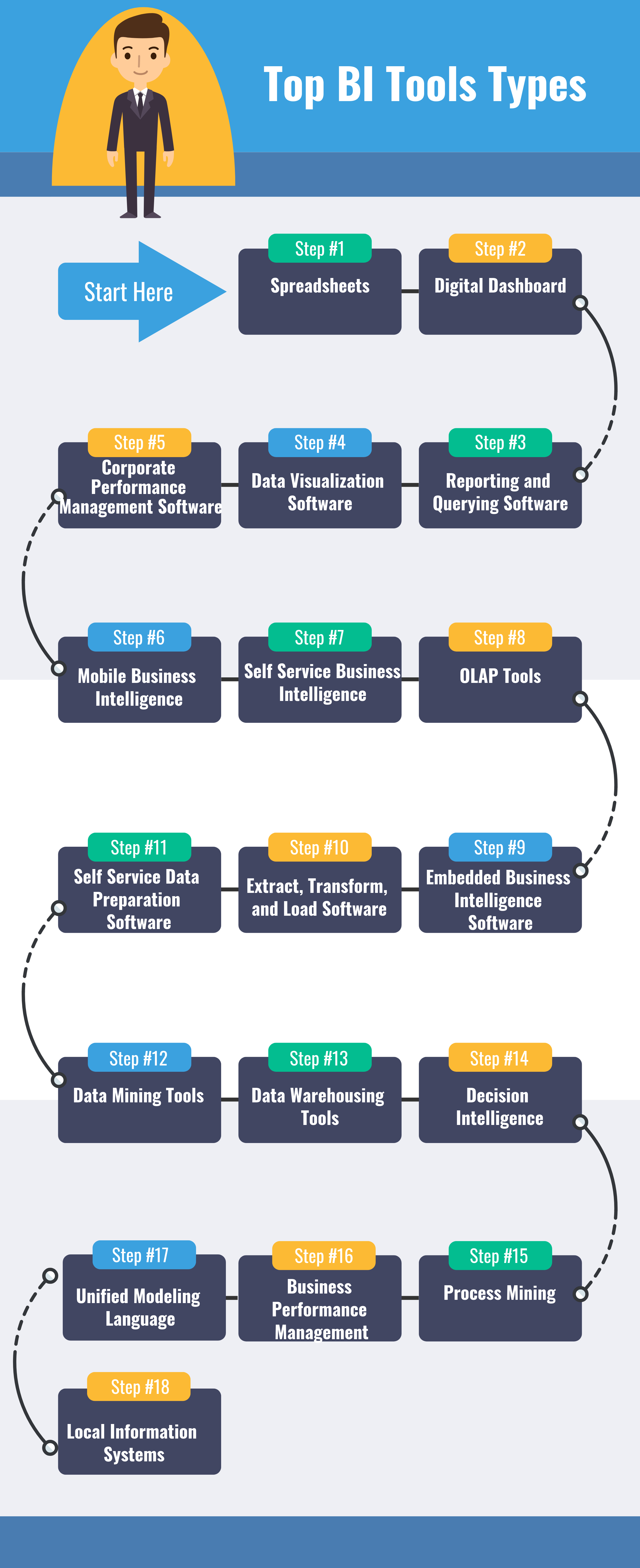
Business Intelligence Data Visualization Tools
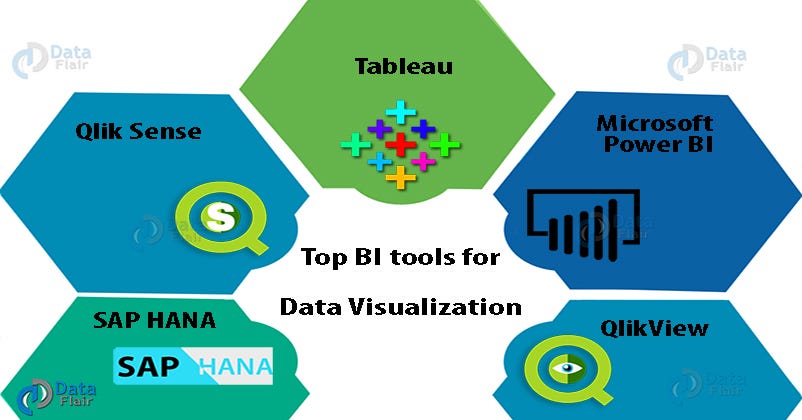
Collecting, storing, and analyzing data from business processes or actions to optimize performance is called Business Intelligence that combines business analytics, data mining, data visualization, data devices and foundation, and best practices to assist associations with settling on more data-driven choices. Practically speaking, you realize you have present-day business intelligence when you have a complete perspective on your organization's data and utilize that data to drive change, eliminate shortcomings, and rapidly adjust to market or supply changes.
Business Intelligence in the Data Age
In the course of recent years, business intelligence has advanced to incorporate more developments to help improve implementation. Cloud-based Autonomous Integration and Advanced Analytics
These developments include:
Data mining: using databases, statistics, and machine learning to uncover trends in large datasets. Report: Sharing data analysis with stakeholders so they can draw conclusions and make decisions. Performance metrics and benchmarking: Comparing current performance data to historical data helps measure performance against goals, typically using customized dashboards.
Business Intelligence Data Visualization Definition
Descriptive analytics: Using preliminary data analysis to find out what happened.
Querying: Ask data-specific questions, and BI extracts the answers from the data set.
Statistical analysis: Taking the results from descriptive analytics and further exploring the data using statistics such as how this trend happened and why.
Data visualization: Turning data analysis into visual representations such as charts, graphs, and histograms to more easily consume data.

Visual analysis: Exploring data through visual storytelling to communicate insights on the fly and stay in the flow of analysis.
Data preparation: Compiling multiple data sources, identifying the dimensions and measurements, preparing it for data analysis.

Why business intelligence is so important
Business intelligence can help organizations make better choices by representing current and past data in the business environment. Experts can use BI to provide benchmarks for performance and competitors to make the correlation run smoother and more efficiently. Experts can also find market patterns more effectively to expand revenue. Making full use of the right data can help with everything from product concept to after-sales service.
A couple of ways that business intelligence can help organizations make smarter, data-driven choices:
- Determine ways to expand benefits
- Analyze customer behavior
- Contrast data with competitors
- Optimize activities
- Predict achievement
- Spot market trends
Business Intelligence Data Visualization
Data-Driven Approach
Data Visualization Courses
Organizations that need to remain on the correct side of the digital interruption should move quickly and get thoughtful for the data and analytics activities. While much of the data analytics going on today depends on past data, the center is quickly moving toward a more forward-looking (and computerized) data-driven dynamic. As the BI scene is soon going to be characterized by trends around data administration, self-administration BI, prescriptive analytics, NLP, BI-as-a-Service. In the current severe and dynamic business environment, the organization should grasp these trends and strengthen its attractiveness.